the transaction timing fallacy in subscriptions and memberships
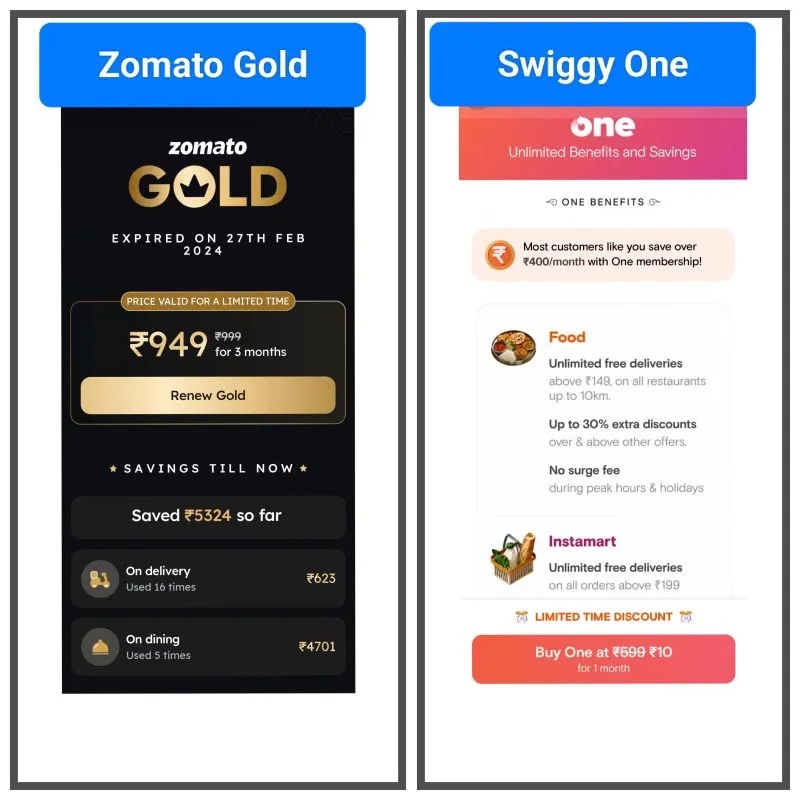
Why Zomato & Swiggy Leak and MMT Compounds
1. The Real Blind Spot
Everyone talks about “frequency,” “engagement,” and “LTV.” No one talks about when the user actually commits.
That single moment before or at the transaction is the one that decides whether your business compounds or leaks. Zomato Gold and Swiggy One chose the wrong side of time.
They asked for commitment before delivering value. And in the real world, faith doesn’t scale.
MakeMyTrip chose the right one: it aligns payment with perceived benefit.
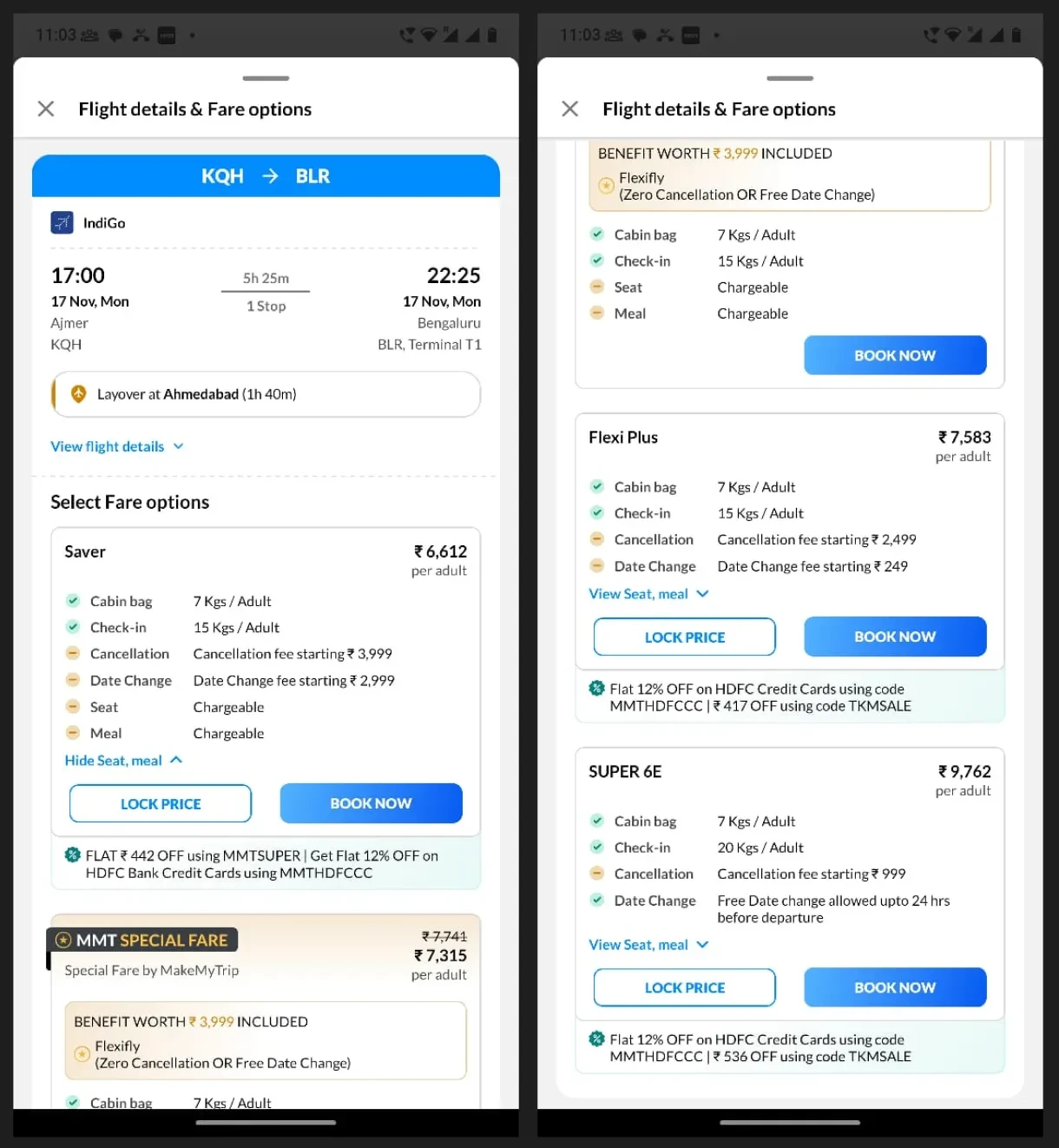
MMT users see checkout-linked offers and add-ons unlock exactly when they’re about to pay in the moment of decision.
2. Two Ways to Hook a Customer
There are only two kinds of subscription logic on earth:
- 1.Before Transaction → you pay first, use later. Works when trust is high and usage is predictable. (Amazon Prime, Netflix, gym memberships.)
- 2.At Transaction → you pay while buying. Works when trust is low and intent is impulsive. (Amazon’s “Subscribe & Save,” one-click reorders.)
Zomato and Swiggy tried to run a “before” model in a “now” market. That’s like collecting rent in a slum built on quicksand.
MMT flipped the logic: checkout benefits like instant discounts, smart cancellation protection, and add-on deals appear right at payment.
3. Food Delivery Isn’t What You Think
It looks like a high-frequency business. It’s not. It’s high-volatility behavior wearing a frequency mask.
Same user orders five times one week and disappears the next. Your LTV spreadsheet doesn’t capture that chaos; your balance sheet does.
Predictability is zero. Trust is shallow. Price sensitivity is extreme.
That’s a death sentence for a prepaid subscription model.
MMT understood that: people don’t travel every week, but when they do, the intent is deep and the spend large. That’s when a well-timed subscription magnifies value instead of bleeding it.
4. The Guilt Loop
Every Zomato Gold user eventually says this line to themselves:
“Broooo, I should order more… I already paid for Gold.”
That’s not loyalty. That’s guilt. And guilt never scales, it only decays.
The moment a product makes users feel indebted to use it, you’ve crossed from delight to resentment. You’ve built a trap, not a flywheel.
You don’t think, ‘I should travel more.’ You think, ‘Good thing I booked now and saved ₹3,000 instantly.’ Reward, not regret.”
5. The Value-Timing Rule
When does the user feel the benefit? That’s the only question that matters.
If it happens exactly at checkout, the brain registers reward. If it happens sometime later, the brain registers risk.
Amazon Prime nails this: “free delivery applied” appears right when you pay. Zomato Gold says, “maybe you’ll save later.”
MMT says, “Instant discount applied.”
Different timeline, different universe.
6. The Platform’s Delusion
Inside every growth deck, the slide says:
“Subscription = stable revenue.”
False. If your market is unstable, the subscription just compounds the instability.
These programs don’t create demand they front-load discounts and defer churn. Every month you’re paying to reacquire the same customer you thought you locked.
That’s not retention. That’s denial.
MMT timed benefits to actual travel: the moment of strongest intent. That creates conversion elasticity, not addiction.
Every month, Zomato re-buys users it thought it retained. MMT doesn’t. It simply shows up on time.
7. The Math Doesn’t Lie
Let’s keep it simple:
Profit = (Subscription Fee + Margin × Orders) − (Discount × Orders + CAC)
In food delivery:
- Orders fluctuate.
- Discounts rise.
- Margins shrink.
The left side collapses. The right side explodes. And yet, marketing calls it “growth.”
That’s not finance. That’s fiction.
In travel:
- Orders are few, but margins are fat.
- Discounts are absorbed in large-ticket spend.
- Subscription fee covers reactivation cost.
MMT’s math compounds because timing aligns with intent.
8. The Root Cause: Mis-timed Commitment
Zomato and Swiggy built a religion around loyalty, but loyalty is temporal not Eternal. It only exists when value and payment collide at the same instant.
They forced users to commit in advance; before trust, before habit, before proof. And when users don’t transact enough, they blame themselves, not the system.
That’s how negligence hides - in plain sight.
MMT asked for faith when trust peaked: right at checkout. That’s why its timing feels premium while Gold feels punitive.
9. The Law in One Line
If the moment of value and the moment of payment don’t align, you don’t have a subscription; you have a subsidy.
That’s the Transaction Timing Law. MMT obeyed it. Zomato broke it.
Break it, and your business will bleed quietly until your next funding round hides the wound.
10. The Thought Bomb
Every founder chasing “recurring revenue” should tape this to their desk:
- Faith doesn’t compound.
- Discounts don’t create loyalty.
- Subscriptions don’t fix chaos.
Only synchrony does.
And if your customer’s trust clock ticks slower than your billing clock you’re not building a product. You’re just renting patience.
MMT understood that timing isn’t a feature. It’s the foundation.
But why did MMT even realise this? Was MMT wiser? Or just better at product design?
Next Publishing: Subscriptions vs Memberships and how we confuse the two to ship Subscription Models